
In order to meet the market’s demand for salt, the production of clean, high-quality salt is inevitably crucial and a highly pressing task. In response to that dynamic, the clean salt production process in the sand is proven to give the producers higher yields and profit margins that also ascertains the values of the end-products.
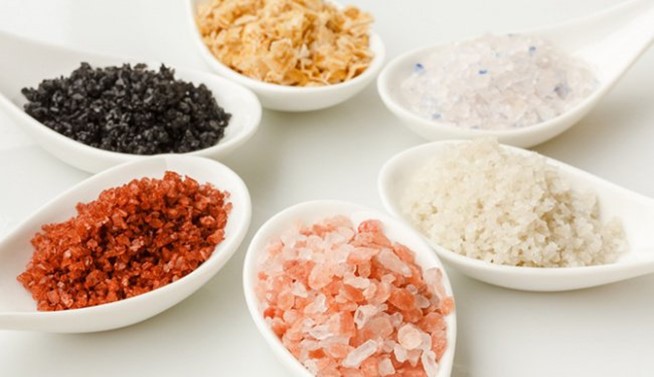
As generally understood, table salt is a mineral, often used as a spice in cooking. There is a wide variety of table salt that includes: raw, refined and iodized salt, etc.
Salt is a crystalline solid, has the colours ranging from white to pink or pale gray. It is composed of mainly sodium chloride (NaCl), involved in regulating the body’s water capacity (liquid balance). Hence, it’s apparent that salt plays a vital and indispensable role for our health.
Benefits of producing clean salt on sand
People living along the coast of Vietnam have their main source of income from the salt making profession. Producing salt on sand has boosted their income by 2-2.5 times compared to the traditional method. Some coastal areas in the Central – South often use the method of drying sea water or take advantage of the tides to produce salt while the North has switched to the sand drying method.
The advantage of this new method over the traditional one is clearly reflected on the enhanced productivity of 2-3 times. This is due to the quick heat absorption of the sand and the larger exposure surface. Moreover, Salt consolidation using sand will result in higher salt content. The NaCl content yielded by this method can reach 97% – which is recognized to be high quality according to TCVN 3974-84. On the other hand, this mechanism also brings welfare for the end-users by providing clean salt as well as ensuring food hygiene and safety.

The process
Many places have achieved greater productivity by applying the sand drying method, typically in Diem Nghiep – Kim Lien commune, Nghe An province. Many manufacturing facilities here have been using the traditional method but also adapt and utilize the benefits that new technology and procedures could bring them in terms of productivity.

The nature of Sea salt production is a reaction that separates NaCl and other impurities in seawater. Sand is used as an intermediate substance for salt crystallization.
The process of making clean salt on sand includes 3 main stages: sea water supply, production of salty sand and lastly, filtration and crystallization of salt.

Salt farmers will build a system to navigate water flows into the sand field. Noticeably, the drain should be located where the sea water has the highest concentration so that they can take advantage of the high tides to bring water into the field. Subsequently, salt would agglomerate on the sand’s surface by the heat from the sun.
The system will accumulate a compound of filtered seawater. It will continue to be sunbathed until completely dry. However, the evaporation rate depends on weather conditions and the drying yard surface.
The bigger and more heat absorption the yard foundation is, the faster the evaporation.
Next, the salt will crystallize at this stage. The whole process is completed when farmers scrape the salt out for harvest.

Several experts and studies reported that this process has considerably improved salt’s quality to have higher purity. Furthermore, it is also environment-friendly because no unnessary waste are emited in the whole process


